
Cotton: The Material Solution to Microplastics
Microplastic pollution has a material solution: renewable, biodegradable,1 natural, 100% cotton.
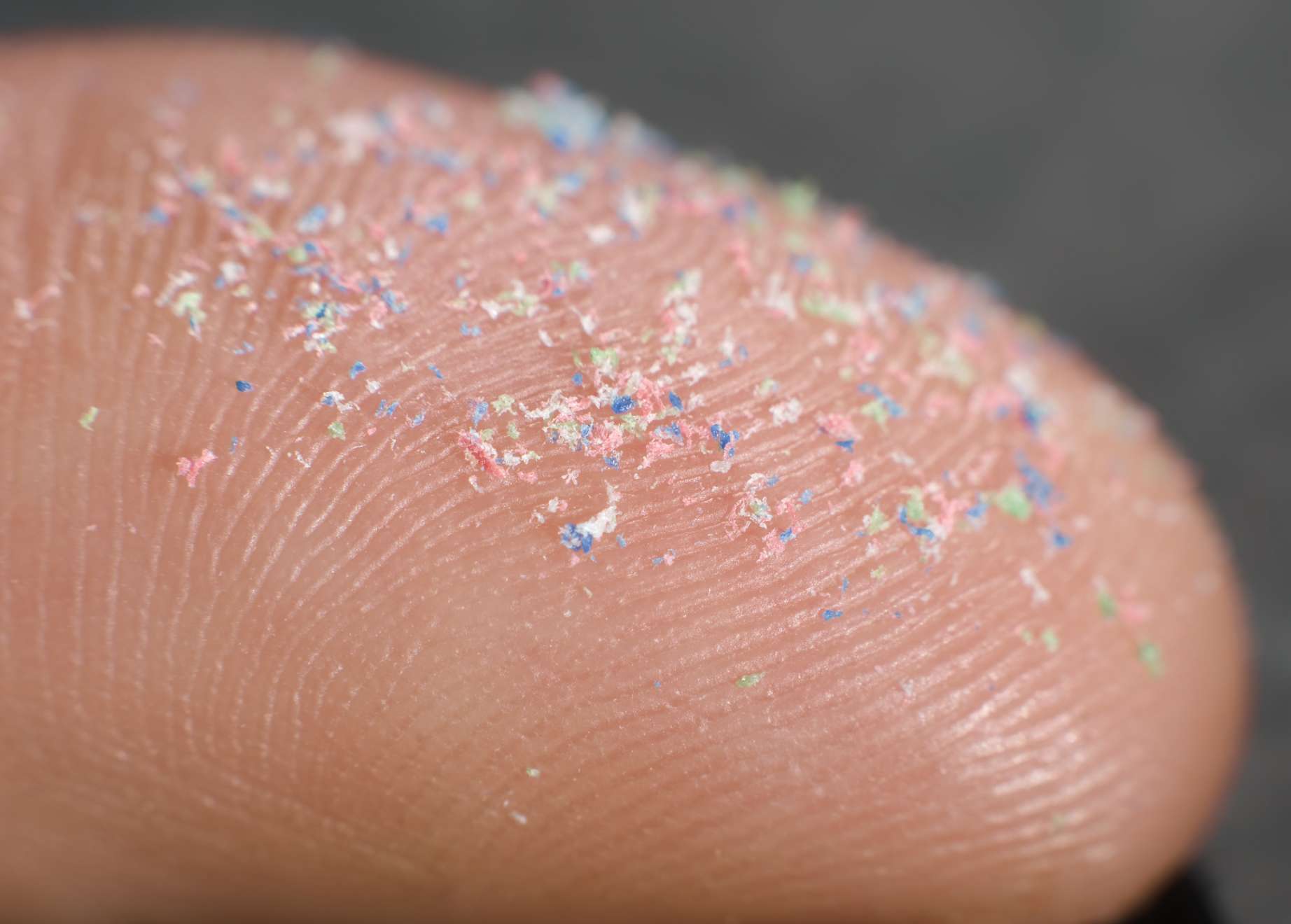
Plastic is Lurking in Apparel
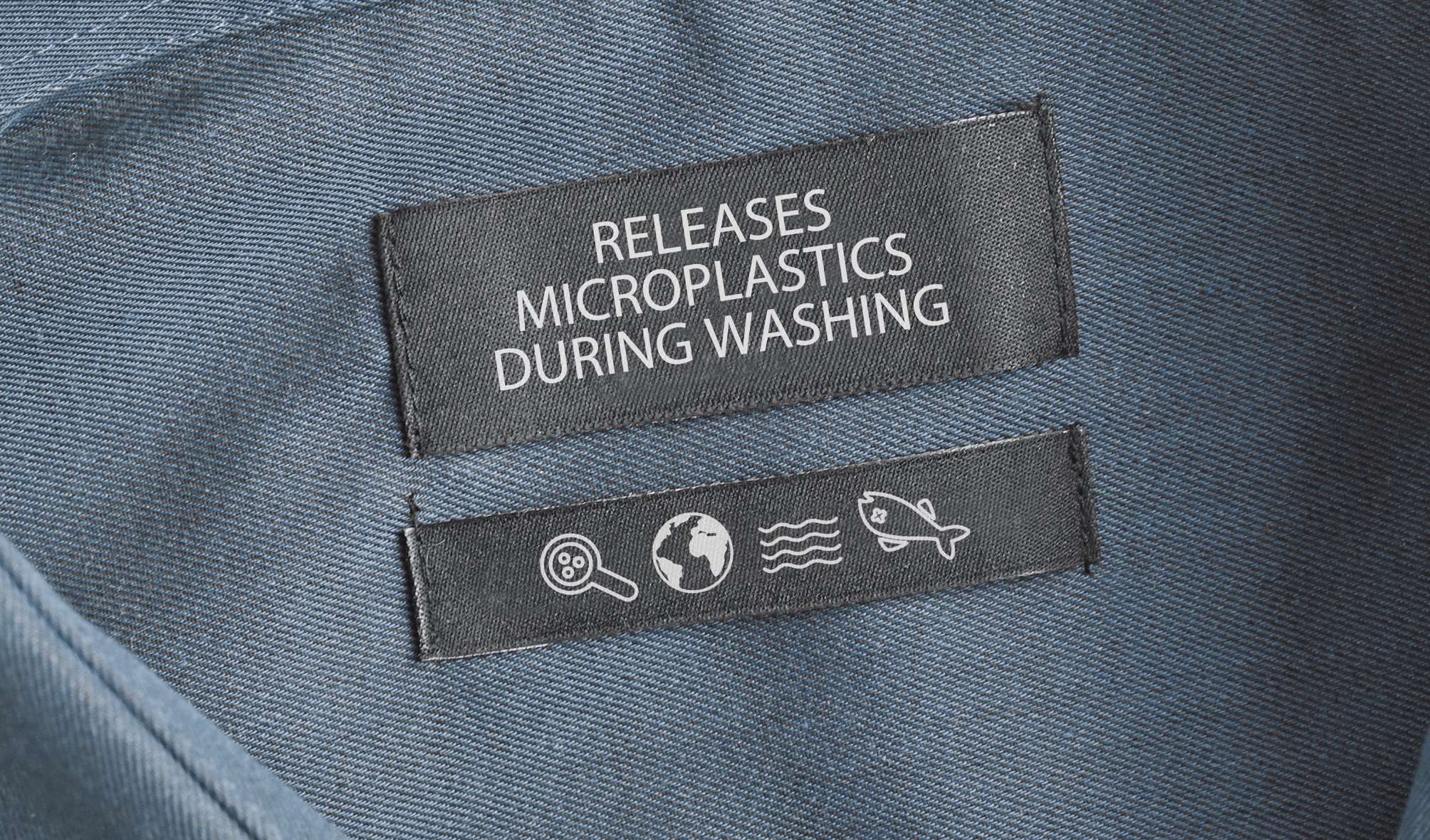
All textiles shed microfibers when laundered — but that’s not the end of the story. Microfibers from natural fibers, like cotton, compost and return to the earth.1 Microfibers from synthetic fibers release microplastics: plastic particles less than five millimeters long that persist in the environment.2, 3
Synthetic fibers are responsible for 35% of primary microplastics released into the world’s oceans.4 But plastic presence goes beyond the environment — microplastics have found their way into the air, our food,5 and even our brains.6 Future research will help us better understand how microplastics impact human health.
Microplastics in Clothing
Pollution is hiding in microplastics from clothing made of synthetic fibers, like polyester and nylon. But as a cellulose-based natural fiber, cotton stands out as a potential source for clothing without microplastics. Despite the growing severity of microplastic pollution, consumers have low awareness of the issue: just 33% say they are very aware and know a fair amount about microplastics.7



of consumers aware of microplastics know that cotton does not contribute to microplastic pollution.7
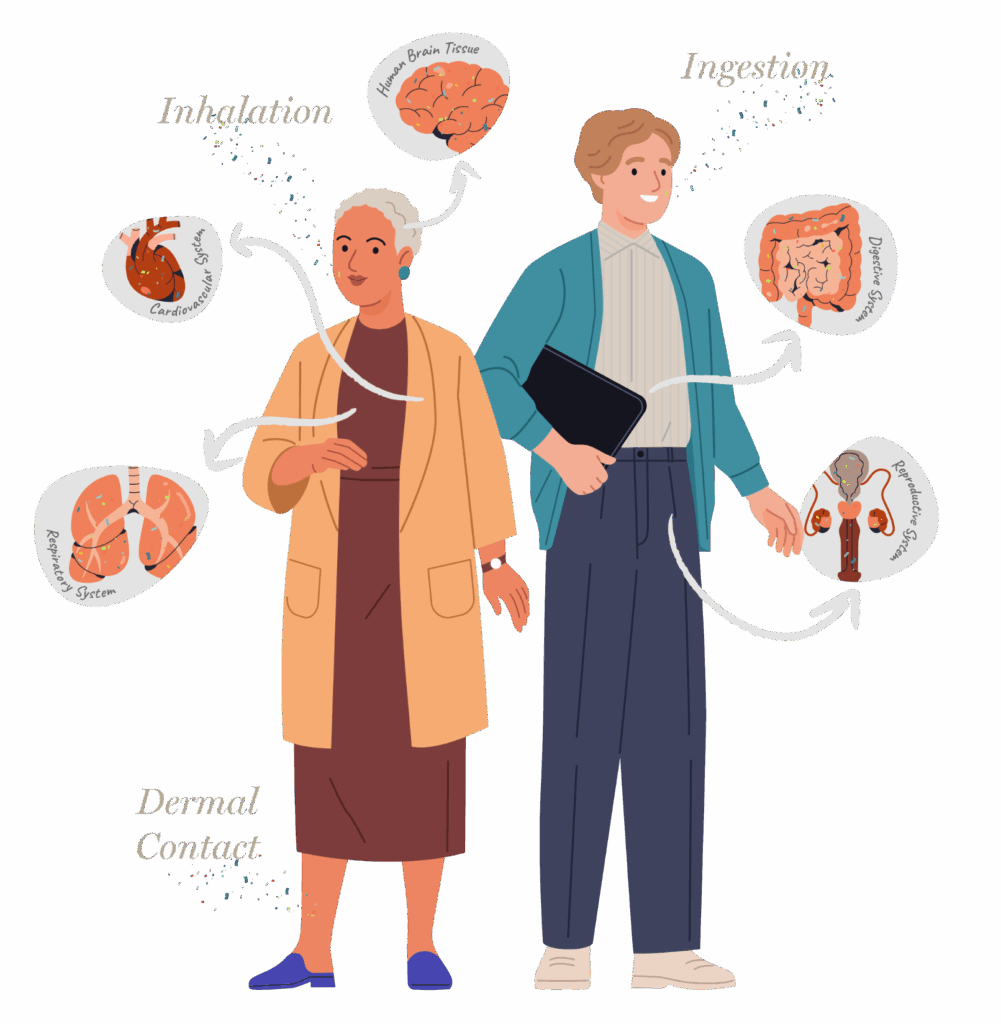
Current studies raise pressing questions about the potential health effects of microplastic exposure. Though they may not be generalizable due to study size and other limitations, recent research points to possible connections between microplastic exposure and biological responses.
- A 2025 study of 40 deceased individuals in the United States found microplastics and nanoplastics (MNPs) in human brain tissue.6
- A 2024 study in Italy followed 257 carotid surgery patients for 34 months and found polyethylene in 58% of their cardiovascular systems.8
- A 2024 pilot study in Austria detected microplastics in all 60 stool samples from 15 adults, indicating presence in the digestive system.9
- A 2022 study in the UK found evidence of microplastic presence in respiratory systems, detecting microplastics in 11 of 13 lung tissue samples collected.10
- A 2025 study in China found microplastics in the ovarian follicular fluid of 19 women undergoing fertility treatment, indicating presence in the reproductive system.11
Create with Cotton
Cotton is naturally biodegradable1 and therefore doesn’t shed persistent plastic microfibers when washed — providing an easy, effective way to reduce personal contribution to microplastic pollution and its potential health impacts.
If you create with cotton, show off your clothing without microplastics and tell your audience to choose clothing from plants.
Synthetic microfibers have an uncomfortable effect on the environment. Cotton, on the other hand, is plant-based, renewable, and biodegradable.1
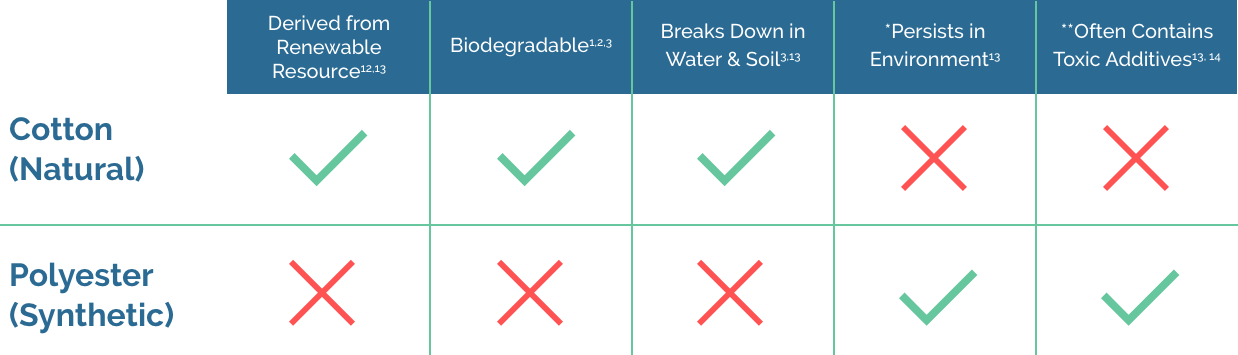

Choosing cotton helps manufacturers reduce reliance on synthetic fibers derived from fossil fuels, which are a major source of plastic pollution.15 Unlike synthetics, cotton does not release persistent microplastics during laundering or wear. Instead, its natural cellulose fibers can biodegrade down to 22% of their original weight after 90 days in a compost environment, rather than persisting in the environment.15, 1, 2 As a result, cotton offers a more responsible material choice that supports global efforts to address plastic pollution across the textile supply chain.
Cotton plays a central role in advancing circularity within the textile industry as a natural, renewable, and biodegradable1 fiber. At the end of its life cycle, 100% cotton products can decompose naturally rather than persisting as waste in landfills or oceans like synthetic fibers.1,2 Cotton is also recyclable16 and can be reprocessed into new materials — such as yarns, nonwovens, or insulation — helping reduce waste and extend the fiber’s useful life.
The cotton industry is actively adopting innovative practices to enhance sustainability and reduce its environmental footprint:
- Regenerative Agriculture: Practices like cover cropping enhance soil health.17
- Water-Saving Techniques: Modern cotton farming practices helped reduce water application rates by 38% from 1980-2020.18
- Traceability & Certification: Programs ensure responsible practices by providing verifiable data and transparency across the supply chain, empowering informed consumer choices.
Cotton Collaborations
The cotton industry as a whole is working together to raise awareness and research microplastics in clothing. Learn how CottonWorks™ by Cotton Incorporated collaborates with CottonToday to promote microplastic-free clothing.
Lead in Solutions to Microplastics
Get Started with CottonWorks™
Only 26% of consumers have seen marketing messages about microplastic pollution.7 This guidance gap provides brands the opportunity to own solutions to microplastics in clothing by clarifying fiber content and highlighting cotton as a natural solution.
Ready to be a leader in microplastic-free clothing? Become a CottonWorks™ member for free access to design tools, digital fabric swatches, sourcing guidance and more to keep you ahead on professional responsibility.
Discover Cotton’s Sustainability Story
CottonWorks™ is your source for learning about the sustainable possibilities of cotton.
Disclosures
* Synthetic textiles such as polyester, which is made from polyethylene terephthalate (PET), are significantly less biodegradable than cellulose-based materials like cotton. This causes them to persist in environments like water and soil for long periods. For example, one month-long study found that polyester exhibited no appreciable biodegradation in freshwater and approximately 4% in seawater. Under the same conditions, cotton biodegraded by 77% in freshwater and 49% in seawater.2 Similarly, composting studies have shown that cotton fabrics degrade substantially in both laboratory and industrial settings, whereas polyester shows little to no biodegradation over comparable timeframes.1
** The manufacturing of synthetic fibers like polyester and nylon — which are petroleum-based plastics — can involve various chemical inputs. These include substances like BPA (bisphenol A), PAHs (polycyclic aromatic hydrocarbons), and heavy metals, which pose risks to both human health and the environment.14
Page References
Li, Lili, M. F., & Browning, K. J. (2010). Biodegradability Study on Cotton and Polyester Fabrics, 5(4). Retrieved from https://journals.sagepub.com/doi/abs/10.1177/155892501000500406
Marielis C. Zambrano et al. (2020). Aerobic Biodegradation in Freshwater and Marine Environments of Textile Microfibers Generated in Clothes Laundering: Effects of Cellulose and Polyester-Based Microfibers on the Microbiome. Marine Pollution Bulletin 151: p. 110826, https://doi.org/10.1016/j.marpolbul.2019.110826
Marielis C. Zambrano et al. (2019). Microfibers Generated from the Laundering of Cotton, Rayon and Polyester Based Fabrics and Their Aquatic Biodegradation. Marine Pollution Bulletin 142: pp. 394-407, https://doi.org/10.1016/j.marpolbul.2019.02.062
International Union for Conservation of Nature (IUCN). (2017). Primary microplastics in the oceans: A global evaluation of sources (IUCN Issues Brief No. 2017-002). Gland, Switzerland: IUCN. Retrieved from https://portals.iucn.org/library/node/46622
U.S. Environmental Protection Agency. (2021). What You Should Know About Microfiber Pollution. https://19january2021snapshot.epa.gov/sites/static/files/2020-07/documents/article_2_microfibers.pdf
Nihart AJ et al.(2025). Bioaccumulation of microplastics in decedent human brains. Nature Medicine. DOI:10.1038/s41591-024-03453-1d
Cotton Incorporated’s Microplastic Pollution Survey, 2025. Sample size = 974.
Marfella, R., Prattichizzo, F., Sardu, C., Fulgenzi, G., Graciotti, L., Spadoni, T., D’Onofrio, N., & Paolisso, G. (2024). Microplastics and nanoplastics in atheromas and cardiovascular events. New England Journal of Medicine, 390(10), 900–910. https://doi.org/10.1056/NEJMoa2309822
Hartmann, C., Lomako, I., Schachner, C., El Said, E., Abert, J., Satrapa, V., Kaiser, A., Walch, H., Köppel, S. (2024). Assessment of microplastics in human stool: A pilot study investigating the potential impact of diet-associated scenarios on oral microplastics exposure. ScienceDirect. https://doi.org/10.1016/j.scitotenv.2024.175825
Jenner, L., Rotchell, J., Bennett, R., Cowen, M., Tentzeris, V., Sadofsky, L. (2022). Detection of microplastics in human lung tissue using μFTIR spectroscopy. ScienceDirect. https://doi.org/10.1016/j.scitotenv.2022.154907
Ni, D., Yu, K., Yan, N., Chen, X., Xie, Q., Yang, Y., Jiang, W., Yang, Y., Zhang, J., Ling, X. (2025). Characterization of microplastics in human follicular fluid and assessment of their potential impact on mouse oocyte maturation in vitro. ScienceDirect. https://doi.org/10.1016/j.ecoenv.2025.117796
Wakelyn, P.J. (2006). Cotton Fiber Chemistry and Technology (1st ed.). CRC Press. Chapter 3.
Hubbe, M. A., et al. (2025). Biodegradability of Cellulose Fibers, Films, and Particles: A Review. BioResources, 20(1), 2391–2458
Wiesinger, H., Shalin, A., Huang, X., Siegrist, A., Plinke, N., Hellweg, S., & Wang, Z. (2024). LitChemPlast: An open database of chemicals measured in plastics. Environmental Science & Technology Letters, 11(11). https://pubs.acs.org/doi/10.1021/acs.estlett.4c00355
Kounina, A., Daystar, J., Chalumeau, S., Devine, J., Geyer, R. Pires, S., Uday Sonar, S., Venditti, R., Boucher, J. (2024). “The global apparel industry is a significant yet overlooked source of plastic leakage.”
Cotton products are recyclable only in a few communities that have appropriate recycling facilities.
Peng, Y., Rieke, E. L., Chahal, I., Norris, C. E., Janovicek, K., Mitchell, J. P., Roozeboom, K. L., Hayden, Z. D., Strock, J. S., Machado, S., Sykes, V. R., Deen, B., Tavarez, O. B., Gamble, A. V., Scow, K. M., Brainard, D. C., Millar, N., Johnson, G. A., Schindelbeck, R. R., Kurtz, K. S. M., & Van Eerd. L. L. (2023). Maximizing soil organic carbon stocks under cover cropping: insights from long-term agricultural experiments in North America. Agriculture, Ecosystems & Environment, 356. https://doi.org/10.1016/j.agee.2023.108599
Field to Market. National Indicators Report: Cotton. https://fieldtomarket.org/national-indicators-report/cotton/