
Cotton: Uniquely Engineered to Insulate
Cotton fabrics can be uniquely engineered to increase loft and trap air, significantly improving the overall insulating capacity of cotton. Designed for active and outdoor markets, insulating cotton fabrics naturally protect against wind and provide thermal regulation while maintaining comfort. Coupled with topical finishes, coatings, or laminated layers, these fabrics can be further enhanced to offer complete moisture management and water repellent protection, keeping you dry and warm.
Cotton’s natural properties provide opportunities for prime insulation:
- MAXIMUM WARMTH | Increased loft creates a warm microclimate
- EASY CARE | Machine washable and washes clean
- SUPERIOR COMFORT | Soft hand and stretch
- UNIQUELY CONSTRUCTED | Engineered without functional finishing
- ADVANCED PERFORMANCE | Enhanced through functional finishing to offer additional insulation
Cotton — When Consumers Demand More
Consumers’ expectations for performance in activewear extend beyond moisture management and odor resistance. Thermal regulation tops the list of properties that consumers are now demanding to enhance their performance. Cotton fabrics can be naturally engineered or technologically enhanced to cover all of these properties and more for active and outdoor apparel.
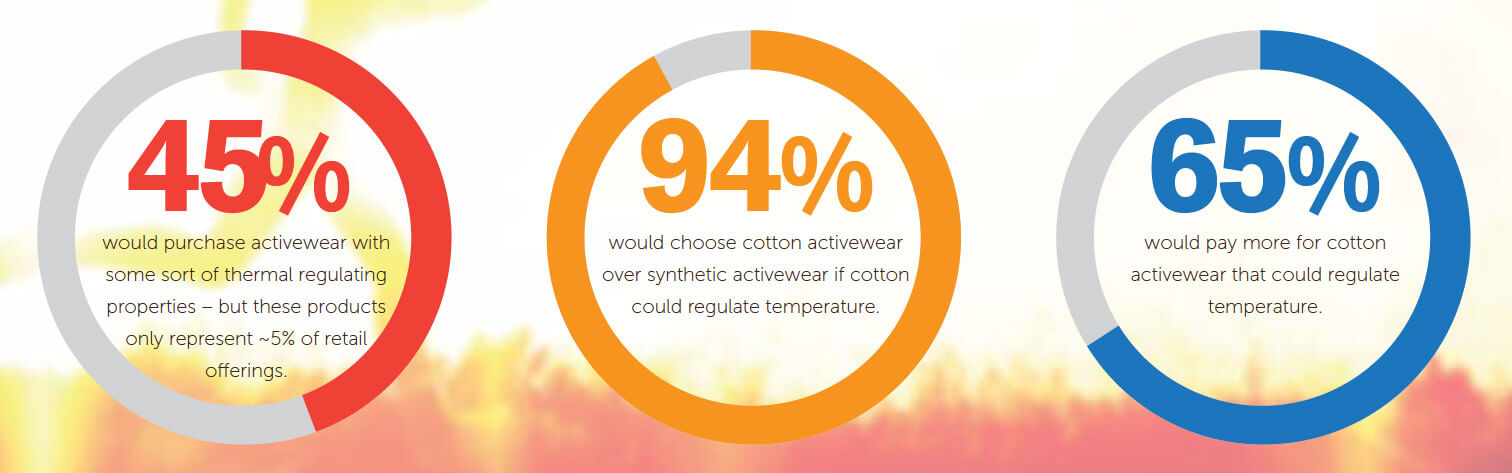
45% would purchase activewear with some sort of thermal regulating properties, but these products only represent ~5% of retail offerings.
94% would choose cotton activewear over synthetic activewear if cotton could regulate temperature.
65% would pay more for cotton activewear that could regulate temperature.

What Makes Cotton Insulating?
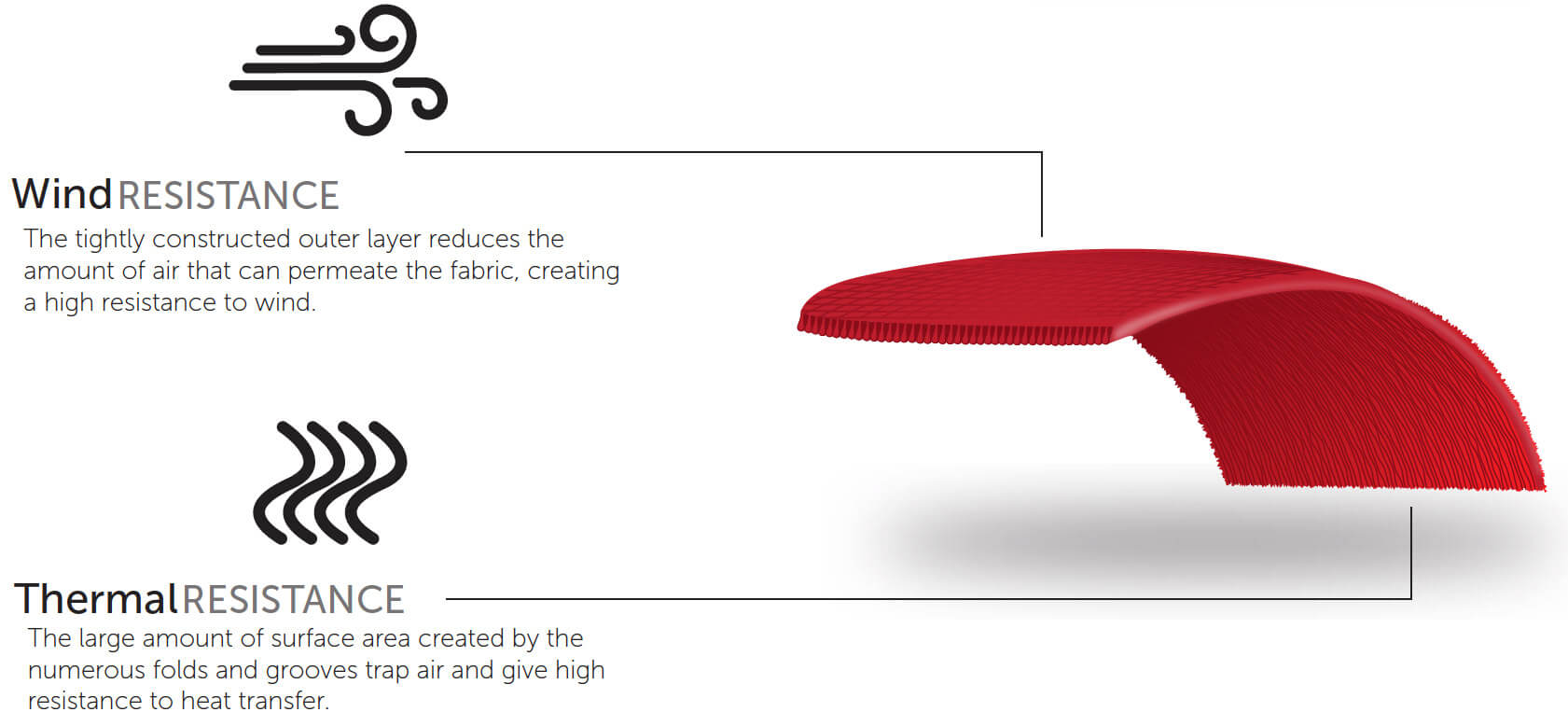
Cotton’s properties of wind resistance and thermal resistance make it an excellent insulator.
Wind Resistance
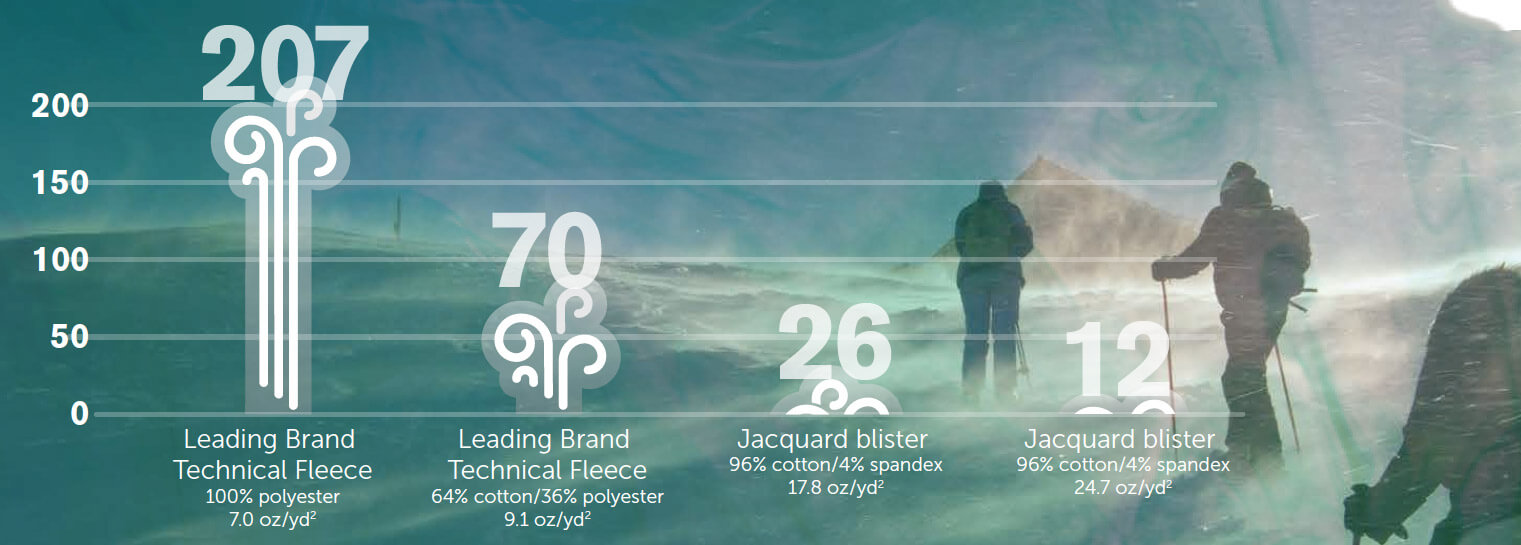
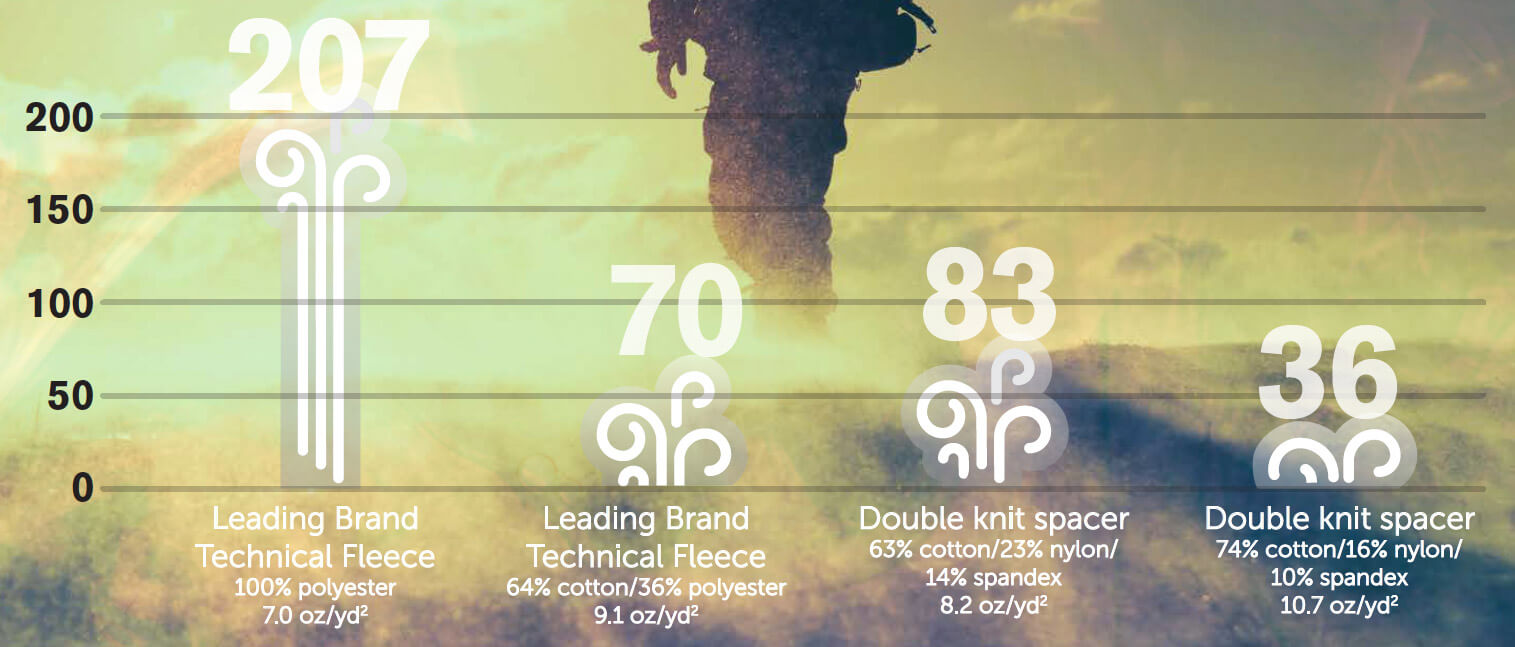
Air permeability is defined as the amount of air that flows through a fabric, and is a good indicator of a fabric’s wind resistance. When a fabric is air permeable in cold conditions, the warm air is exchanged for cold air, lowering the temperature inside the clothing. The lower the value, the less air will penetrate the garment, keeping you warmer.
Thermal Resistance
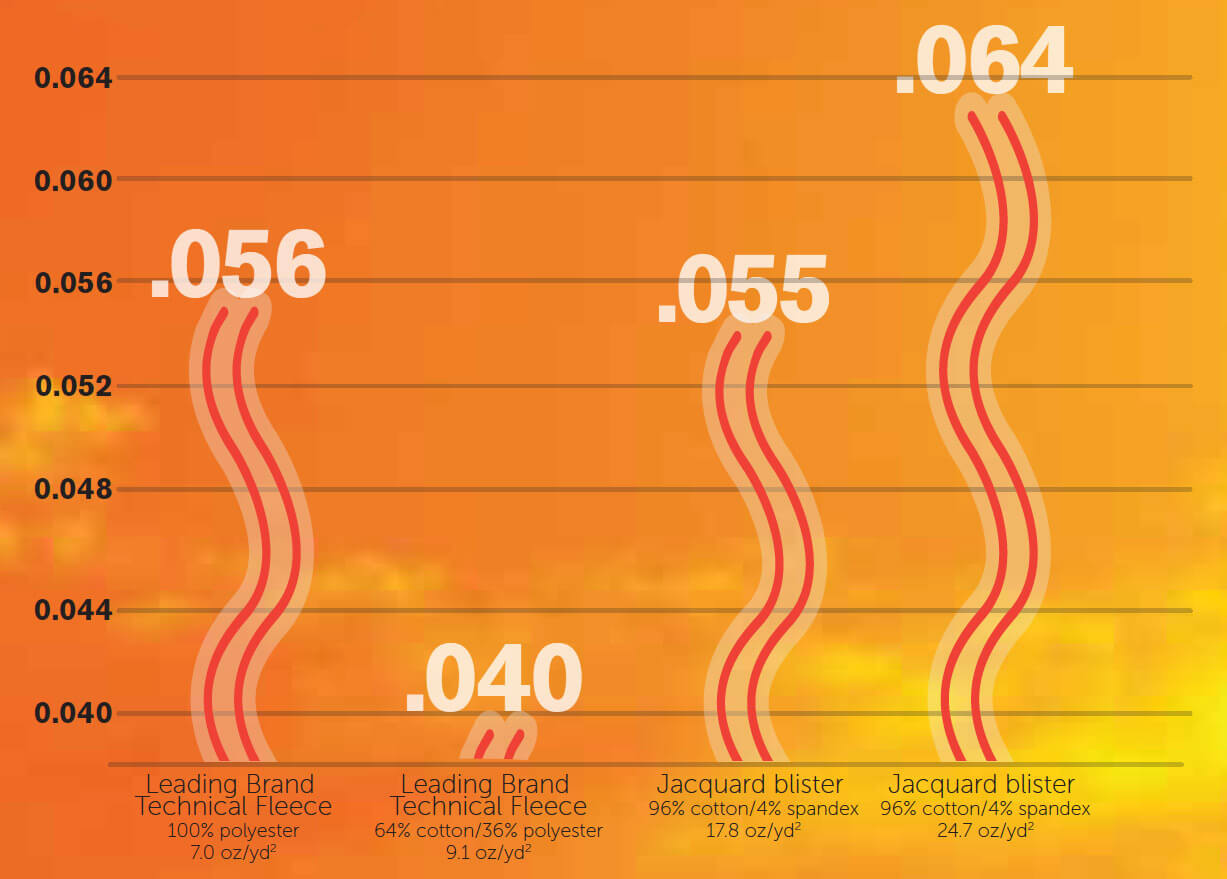
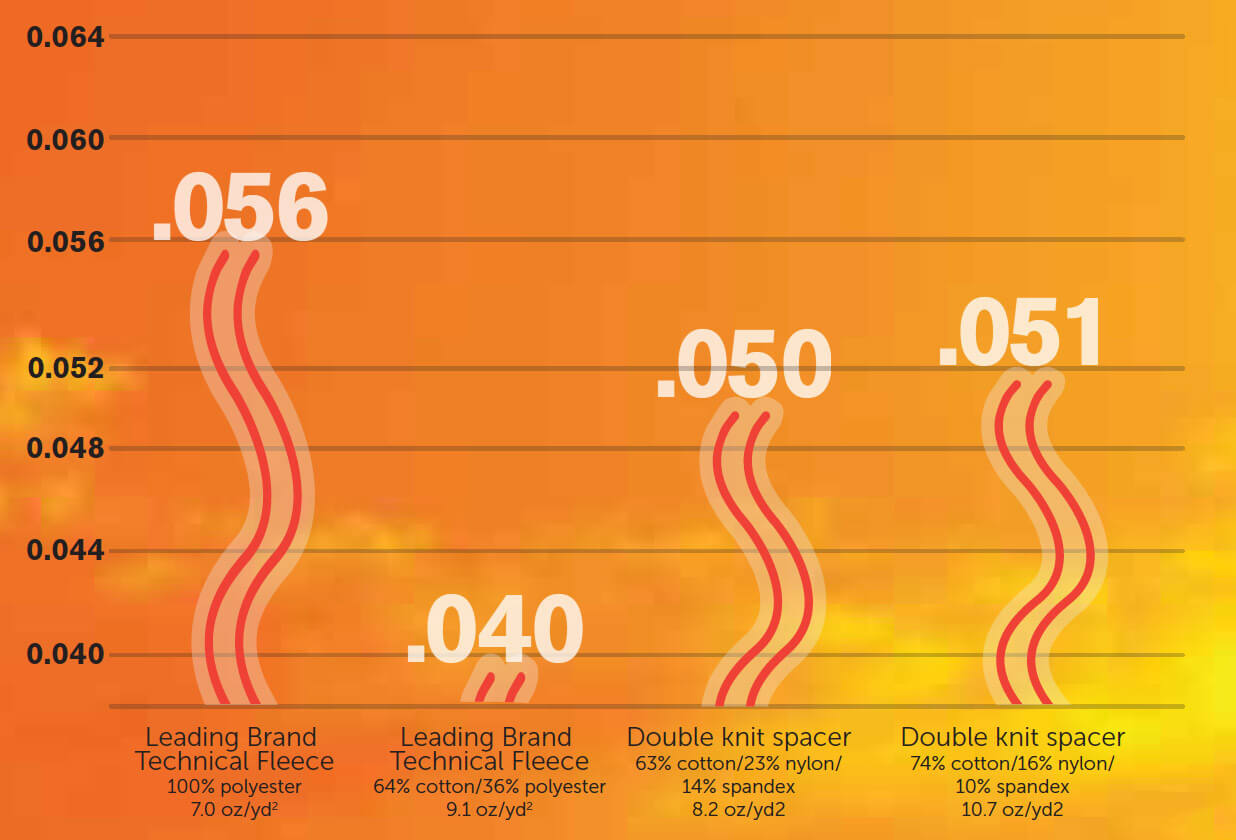
Thermal resistance is the resistance to heat transfer, keeping the heat within the microclimate between the fabric and the base layer or skin. Thermal resistance (RCF value) can be measured by the sweating guarded hotplate. The higher the RCF, the more resistant to heat transfer and the more insulating.
Natural Insulating Performance of Cotton
Two unique fabric constructions can be engineered to offer consumers insulating properties of thermal and wind resistance in cotton: single knit jacquard blister and double knit spacer.
Insulating cotton fabrics naturally deliver maximum warmth and comfort during outdoor activities. These unique constructions for mid and outer layer garments offer maximum flexibility in layering and protection against cold conditions.
Single knit jacquard blisters and double knit spacer fabrics can be further enhanced to deliver superior moisture management and water repellency with the addition of Cotton Incorporated performance technologies.
Single Knit Jacquard Blister
The technical construction of the single knit jacquard blister creates performance attributes that are beneficial in cold and windy conditions.
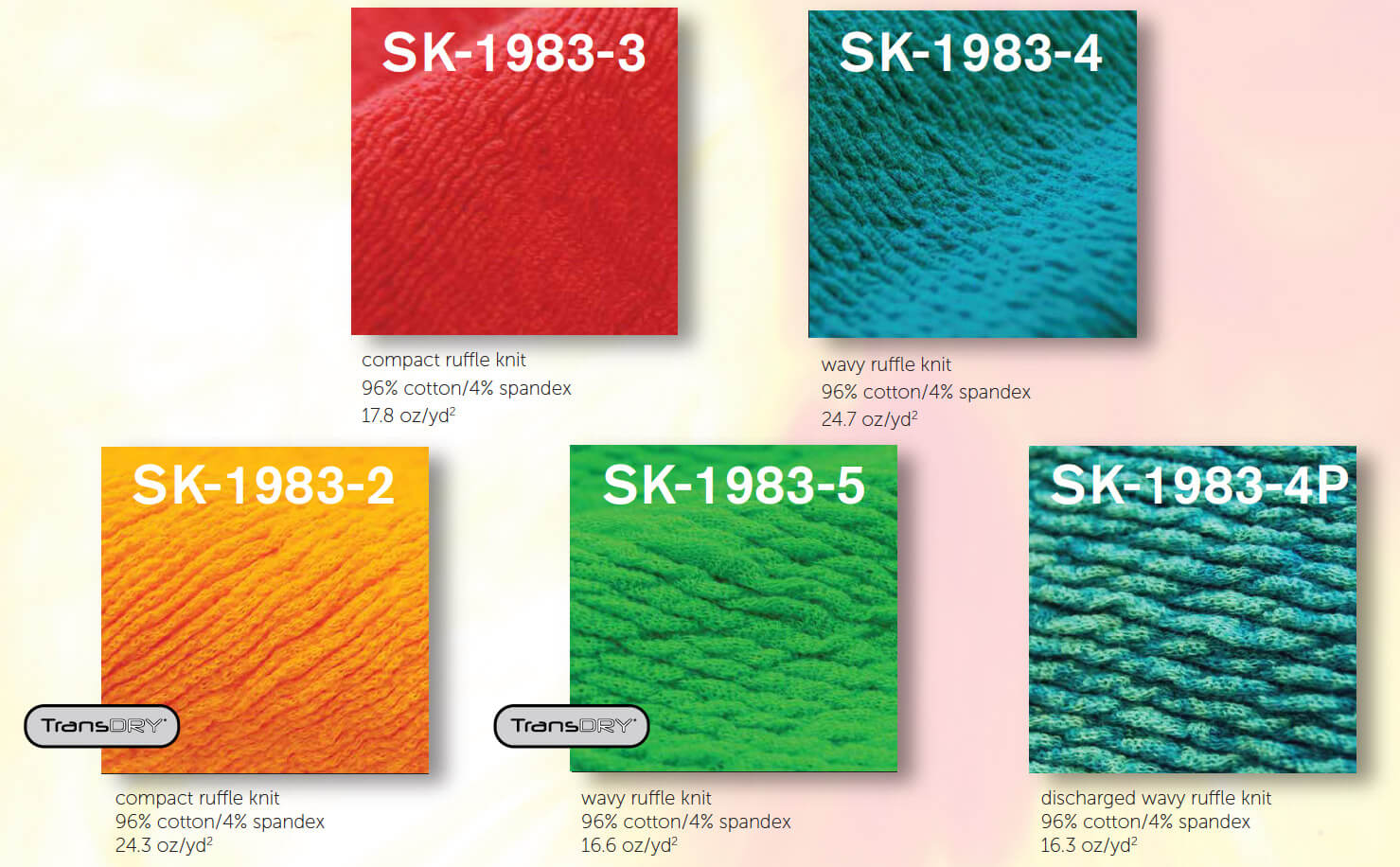
The technical structure consists of a flat and tightly knitted outer surface and an insulated interior with rippled peaks and valleys.
Air Permeability (cfm)
Significantly less air is able to penetrate the tightly knit outer layer of the jacquard blister compared to competitive fleece outerwear in the market, providing insulation and wind resistance.
Thermal Resistance (RCF)
Folds and grooves in the fabric construction prevent heat transfer and deliver superior thermal resistance, keeping you warmer in cold conditions compared to competitive fleece in the market.
Double Knit Spacer
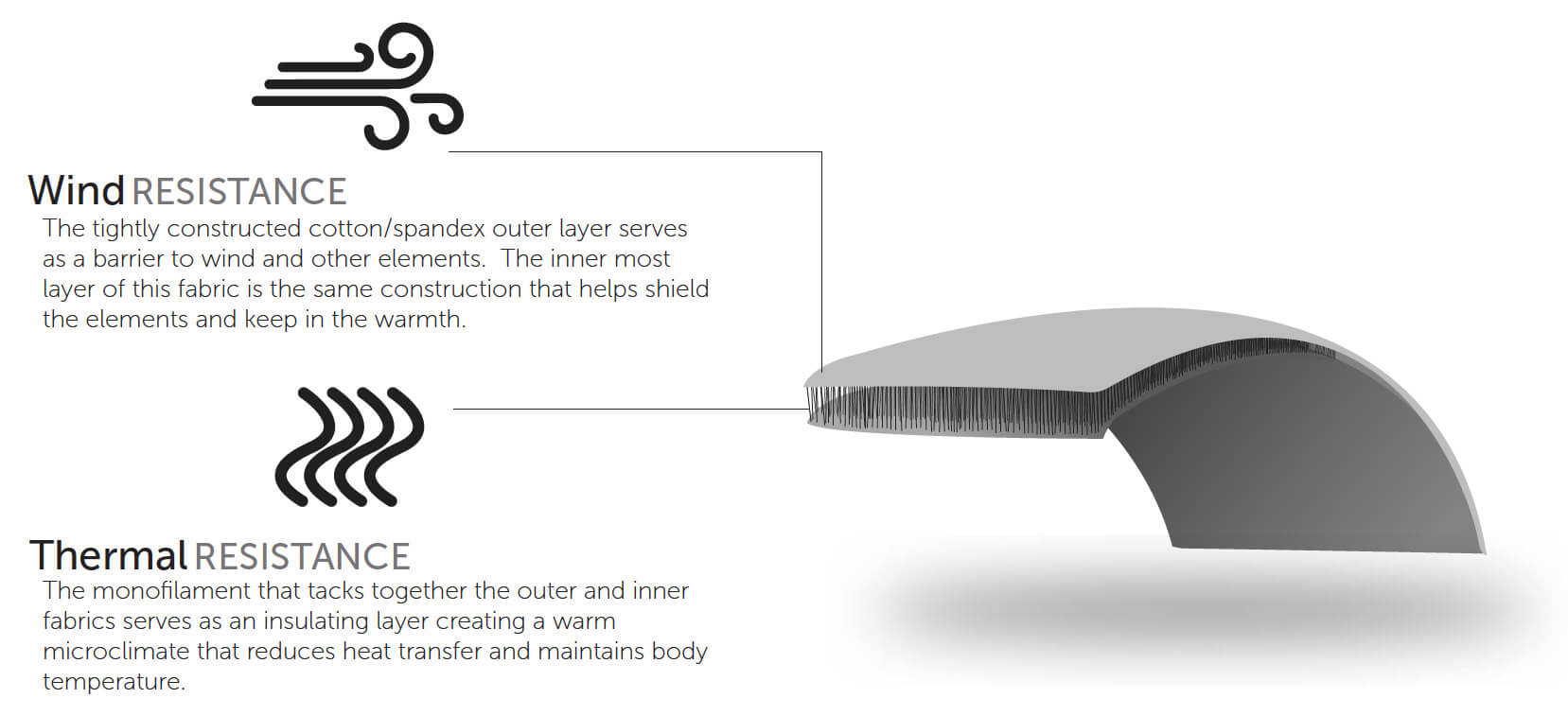
Double knit spacer fabrics, made from cotton, nylon, and spandex, are intended for mid and outer layer garments. Two lightweight fabrics are produced by plating cotton and spandex to create a dense, stretch fabric.
These two fabrics are tacked together by monofilament nylon creating a soft, sponge-like, insulating fabric for the activewear market.
Air Permeability (cfm)
The two layers of the spacer fabric insulate the body and maintain warmth in extreme conditions by providing up to five times more wind resistance than synthetic fleece.
Thermal Resistance (RCF)
The unique fabric construction creates and protects the microclimate around your body, delivering thermal resistance and warmth.
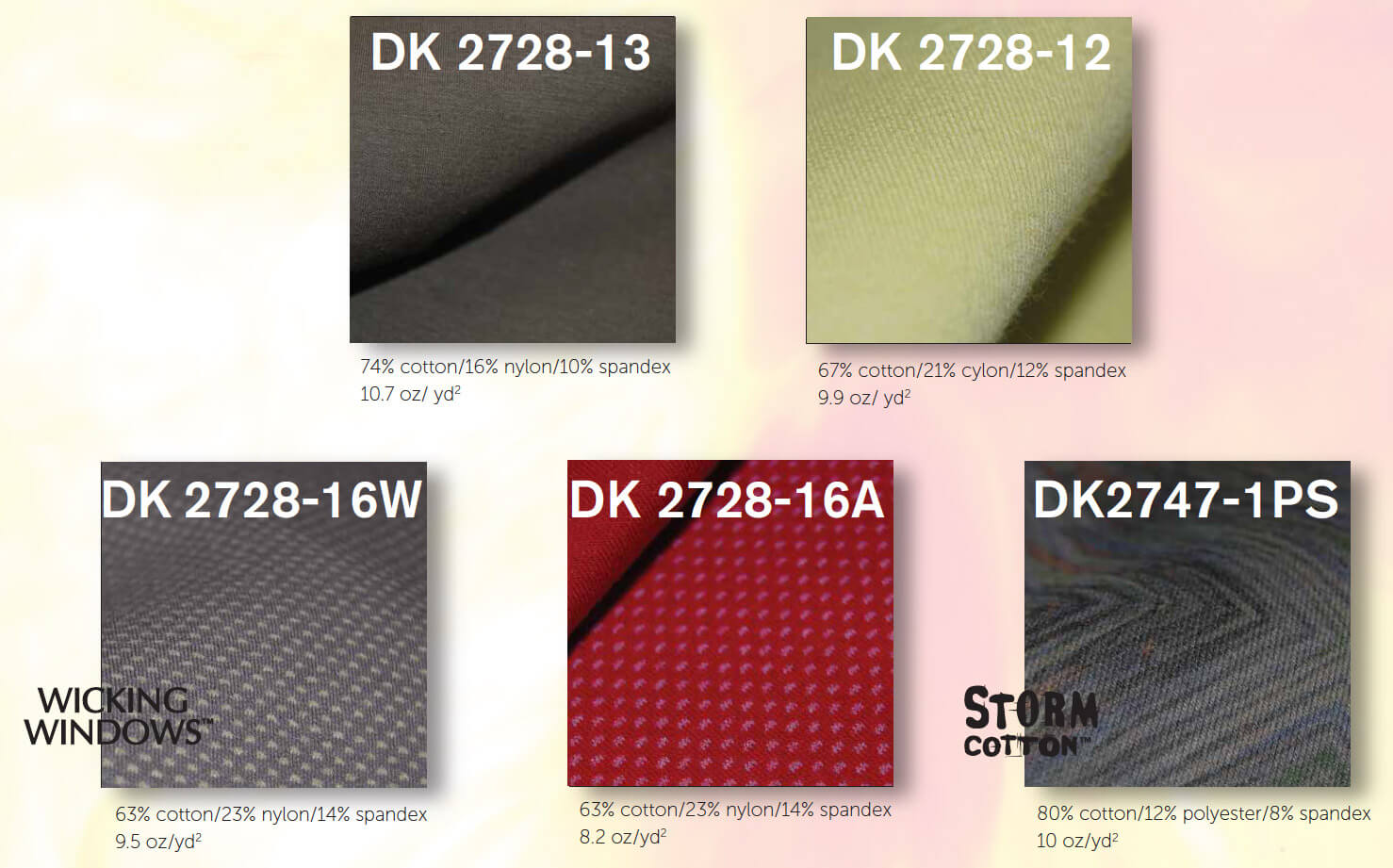
Get Inspired
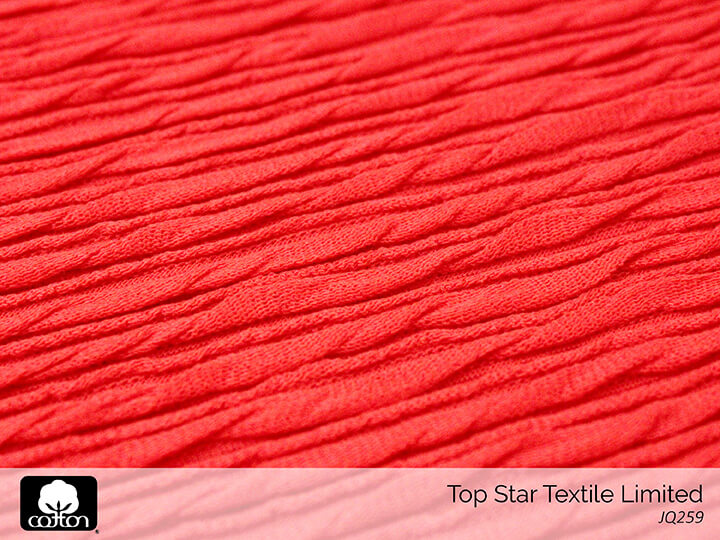
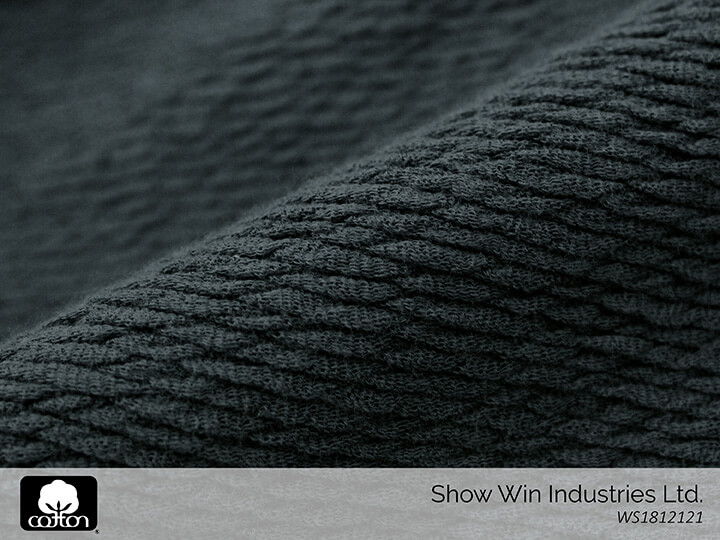
Here are a few examples of insulating technology from Cotton Incorporated’s licensed suppliers. These are just a sampling of constructions, designs, and fabrics that can be developed for your supply chain.
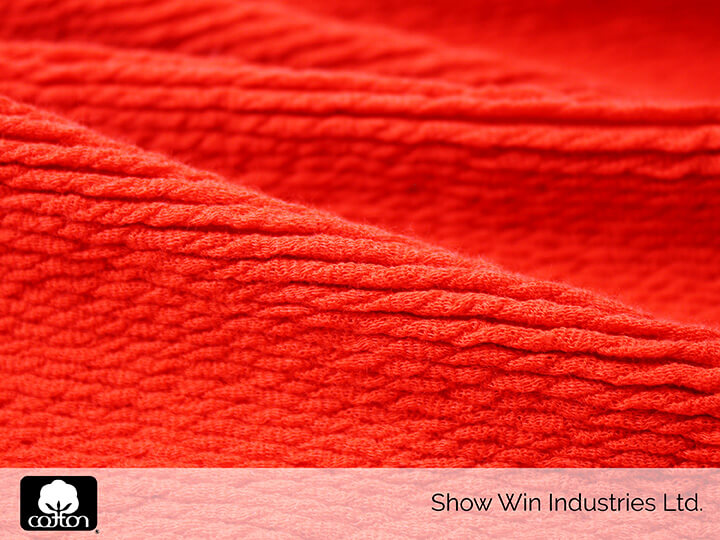
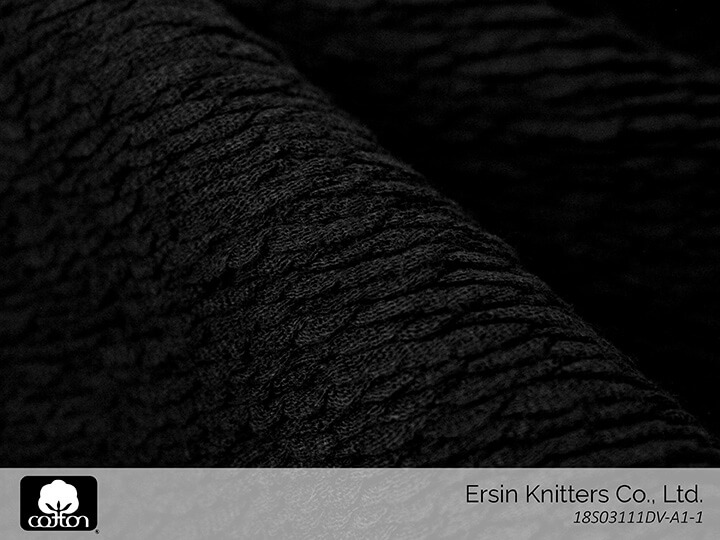
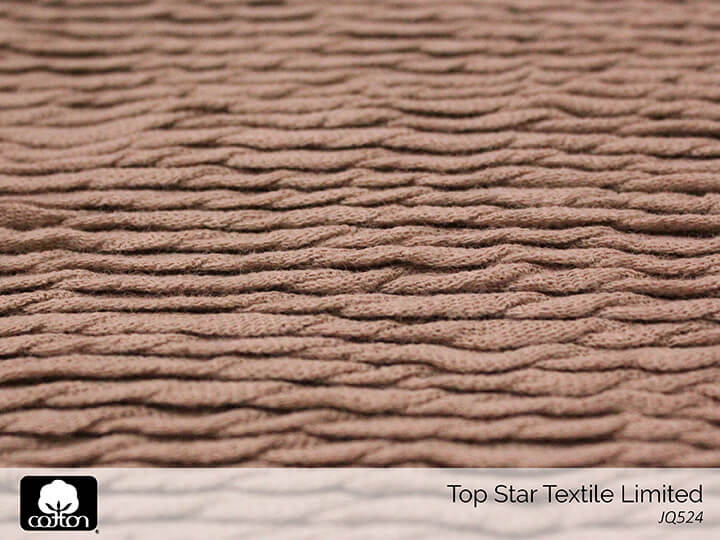
Cotton Insulation Performance Suppliers
| Supplier | Location | Contact | |
|---|---|---|---|
| Ersin Knitters Co., Ltd. | Hong Kong | Mr. Frankie Lau | info@ersinchina.com |
| Show Win Industries Limited | China | Mr. Ian Chung | ian@showwin.com.hk |